Pre-season input financing
A fertiliser supplier's dealers order on limit before planting, with repayment scheduled after the harvest.
Match input financing to the farming season, from planting to harvest.
Farmers buy inputs before planting but earn after harvest, and agri-dealers carry that gap. Paynion helps input suppliers, dealers, cooperatives and financiers structure limits and maturities around the season. Orders, invoices and repayments stay on one infrastructure.
Inputs are needed long before income arrives, so dealers end up financing farmers informally.
Orders cluster around planting periods, putting sudden pressure on dealer limits and stock.
Payments are tracked in notebooks and collected in person, which is slow and error-prone.
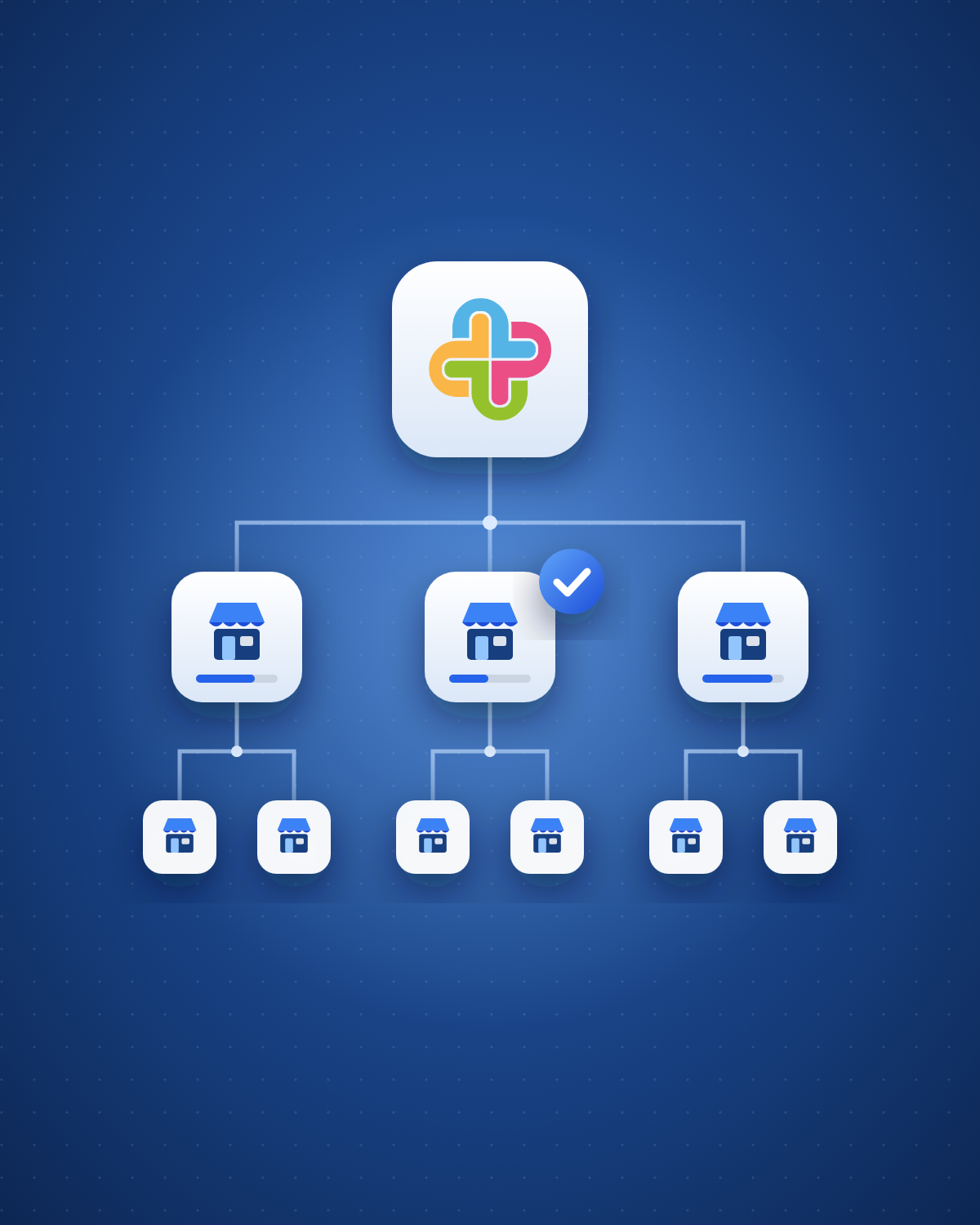 Financing Infrastructure
Define dealer and cooperative networks, set limits and season-based maturities, and submit invoices to DBS for collection after the harvest. Individual and corporate loan applications can be taken and disbursed digitally.
 FinansZ
Agri-dealers manage stock, current accounts and e-invoices in one place, and collect in the field with SoftPOS on a phone or by payment link.
A fertiliser supplier's dealers order on limit before planting, with repayment scheduled after the harvest.
A farmer applies for financing at a machinery dealer, and the dealer is paid once the loan is disbursed.
Cooperative staff collect payments on the farm with SoftPOS and balances update in the current account.
The input supplier adds its dealers and cooperatives to the network.
The financier sets limits and maturities aligned with the planting and harvest cycle.
Dealers order seed, fertiliser or feed and draw on their limit.
The input supplier receives payment once the invoice is approved.
Invoices are collected via DBS at maturity, after the harvest.
Dealer financing, spare-parts ordering and collections for OEMs, distributors and their dealer networks.
Limit, order and collection management for brands and distributors with dense dealer and sub-dealer networks.
Open-account financing and receivables management for building materials and fuel distribution.
Tell us which product you want to start with — we'll shape the PoC together.